

Key Facts
Where: Adelaide SA (Kaurna country)
When: 2022-24
Potential savings identified:
- Overall cost reduction of 21%
- 23% reduction in electricity consumption
- 70% reduction in gas consumption
- 29% reduction in water consumption
- 11% reduction in greenhouse gas emissions (excluding refrigerant contribution)
The Client
Commercial Retail Group is a South Australian, family-owned business which owns and operates supermarkets and retail centres in South Australia. Their subsidiary, Adelaide’s Finest Supermarkets (AFS), runs the award-winning Foodland Frewville and Pasadena stores. AFS leads in developing and operating retail communities, offering premium service and diverse product ranges. Their operations are deeply rooted in values of innovation, collaboration, and sustainability.
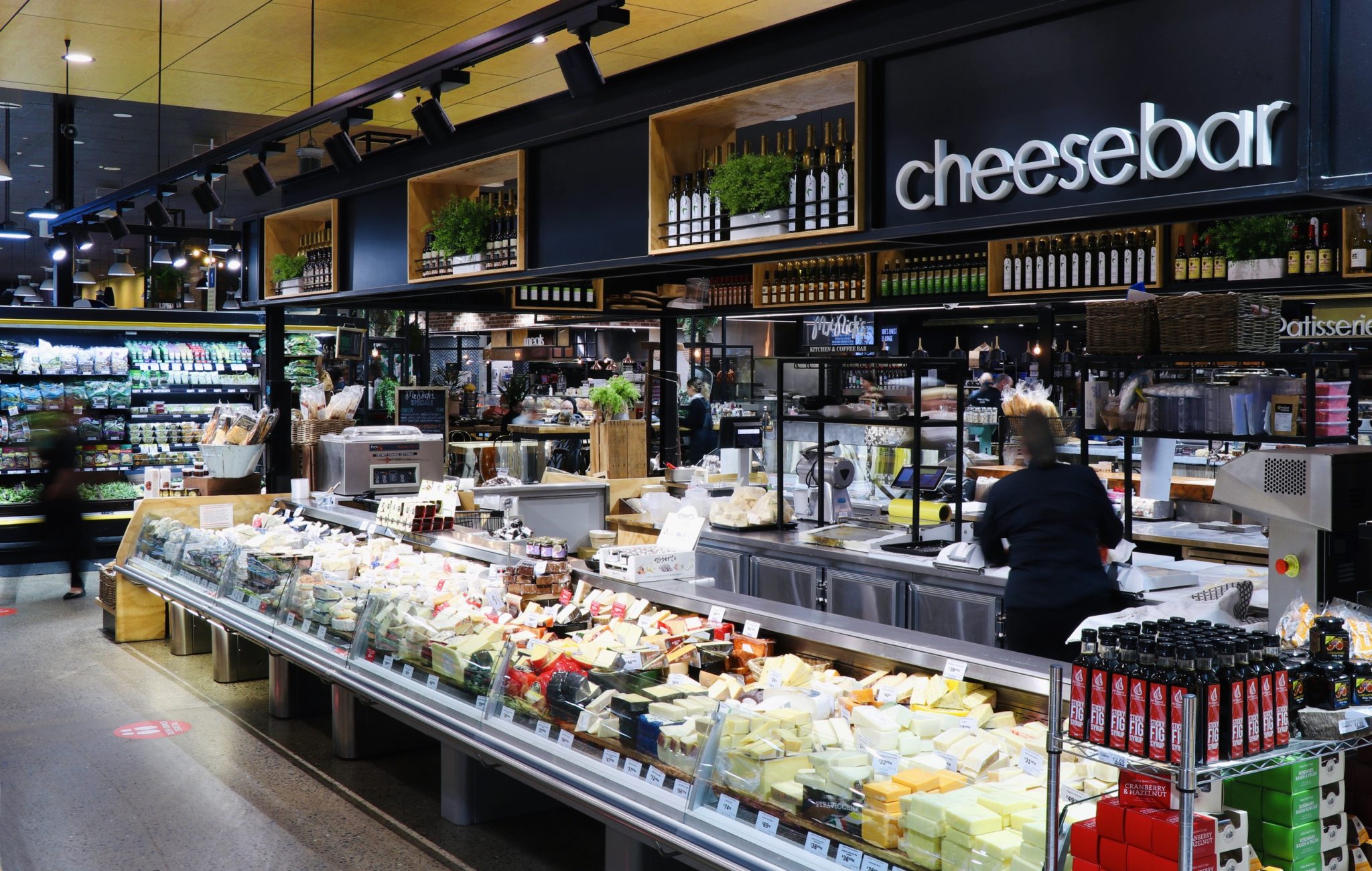
Tandem’s engagement focused on Pasadena Foodland as the flagship store, with lessons to be learned and implemented across other sites.
Pasadena Foodland uses both electricity and gas, with annual energy costs exceeding $650,000 and greenhouse gas emissions totalling approximately 1,482.5 tonnes.
The Project
AFS sought to both reduce operational costs and improve sustainability. They required expert guidance to develop a sustainability strategy and implement practical, cost-effective solutions across energy, waste, water, and carbon management.
Tandem Energy conducted a resource efficiency assessment at Pasadena Foodland, and worked closely with KESAB Environmental Solutions to develop and deliver the internal Green Plan, building on the public-facing Sustainability Plan. Our work was supported by a grant from Green Industries SA.
How we did it
Our resource assessment included:
- Detailed site inspections and interviews
- Analysis of utility data, including electricity, gas, water and waste
- Assessment of equipment and operational practices
- Engagement with existing service providers including refrigeration and air conditioning technicians
- Identification and quantification of resource efficiency measures
- Contribution to development of Sustainability Plan with targets and actions across three themes: Planet, People and Product
Opportunities
An extensive suite of opportunities was identified across all resource consumption types within the site. Where relevant these were quantified to support immediate action and investment. Our findings were also adapted into the internal Green Plan to support onging change across the organisation.
Identified opportunities included:
- Undertake staff education program
- Install variable speed drives on exhaust hoods and refrigeration compressors
- Install 360kW solar PV
- Introduce makeup air capacity to air conditioning system
- Install gas and water metering
- Electrification of gas cooking including wok and ovens
- Installation of flow restrictors and low-flow nozzles in high water-use areas such as meat and fish processing sections.
Challenges
The low-margin, consumer-facing nature of grocery retailing creates a range of challenges. For AFS, these included:
- Retrofitting existing facilities to achieve improved landfill diversion posed logistical and financial challenges.
- Navigating health regulations and packaging standards while phasing out single-use plastics required careful planning.
- Limited internal staffing resources to implement recommendations.
Outcomes
AFS now has a clear roadmap for reducing resource consumption, improving operational efficiency, and enhancing sustainability.
Our assessment enabled AFS to:
- Establish baselines for energy, water and waste
- Implement targeted sustainability actions
- Improve operational efficiency
- Strengthen its reputation as a sustainability leader
Next steps
AFS continues to use the learnings from the Pasadena resource efficiency assessment and internal Green Plan to inform the development of their new flagship development in Forestville SA.
Good news
Through this project, some broader benefits occurred, including:
- Community education through reuse initiatives like the “Pack & Go” scheme and in-store signage
- Partnerships with local charities and composters
- Enhanced staff morale and retention through the Green Team and sustainability training program